

Concrete cracks are common in buildings, bridges, retaining walls, tunnels, and other structures. While some cracks are harmless, others may indicate serious structural movement or long-term durability issues. Concrete crack monitoring helps engineers, contractors, and property owners understand whether a crack is stable or actively changing over time.
Using professional crack monitors for concrete, it becomes possible to track crack width, movement, and progression accurately. This data plays a critical role in maintaining structural safety, preventing costly repairs, and ensuring compliance with engineering standards.
Concrete crack monitoring is the process of measuring and observing cracks in concrete structures over a period of time to determine their behavior. The goal is to identify whether cracks are:
By using a concrete crack monitor or a concrete crack monitoring device, engineers can make informed decisions about repairs, strengthening, or continued observation.
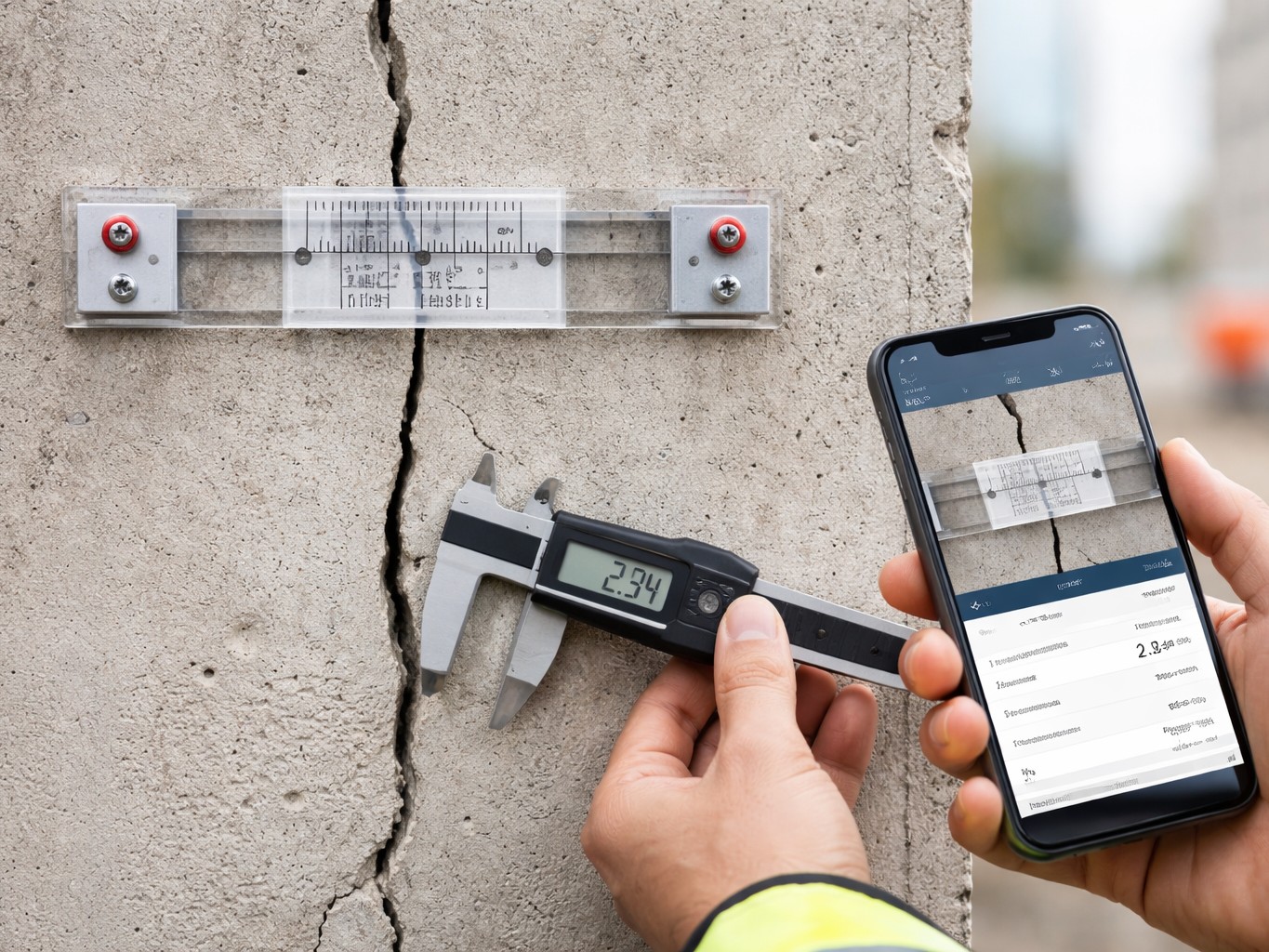
Cracks in concrete can occur due to several factors such as structural loading, foundation settlement, thermal expansion, shrinkage, or environmental conditions. Monitoring these cracks is essential because:
Choosing the best concrete crack monitoring solution ensures accuracy, reliability, and confidence in structural performance.
Understanding the cause of cracking helps determine the right monitoring approach. Some common reasons include:
Each situation requires a suitable concrete crack measuring tool to track changes effectively.
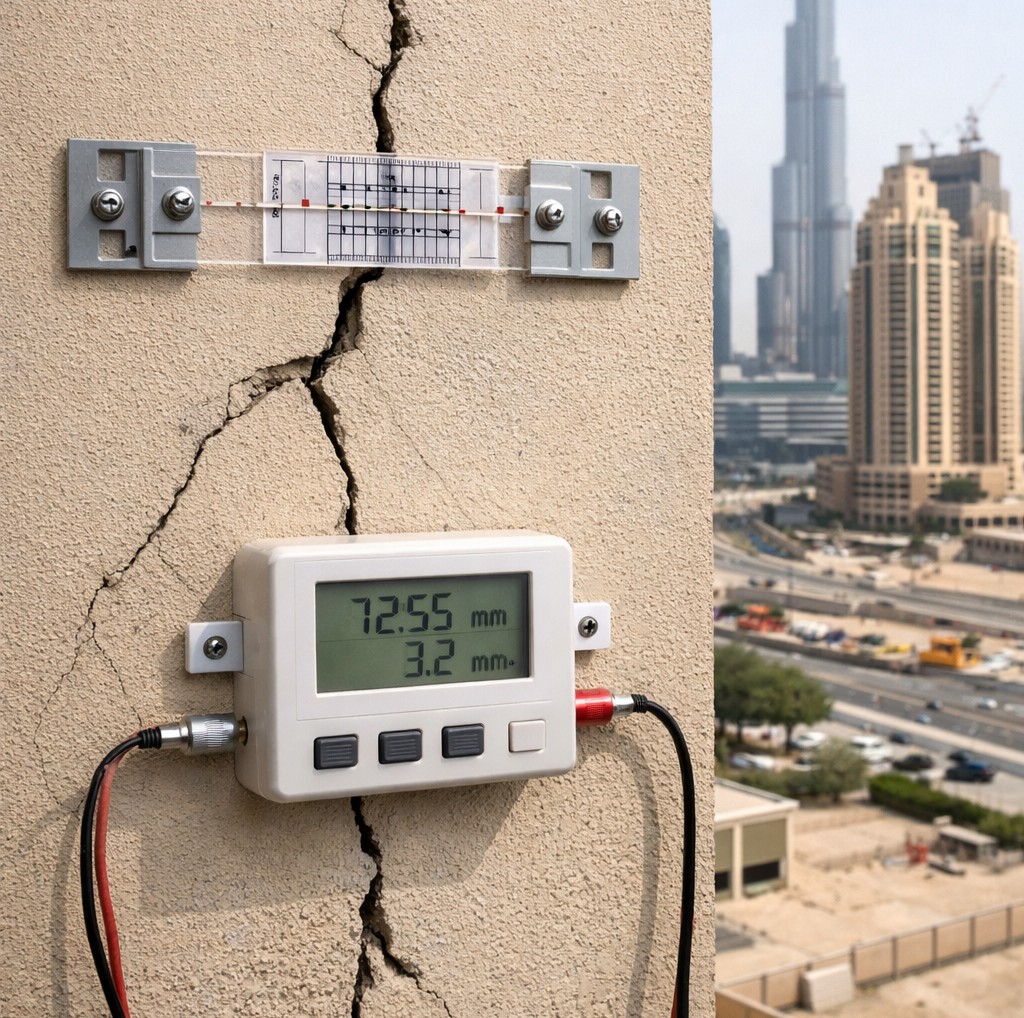
There are different types of crack monitors for concrete, each designed for specific monitoring needs:
Each solution offers different levels of accuracy, data recording, and monitoring duration.
The monitoring process typically involves the following steps:
This systematic approach ensures reliable and actionable data.
Concrete crack monitoring is widely used across various sectors, including:
In all these applications, a reliable concrete crack monitor plays a vital role in maintaining safety and performance.
Using a professional concrete crack gauge offers several advantages:
Selecting the best concrete crack monitoring solution ensures dependable results for both short-term and long-term projects.
Manual methods use mechanical gauges or handheld concrete crack measuring tools. These are suitable for low-risk structures and periodic inspections.
Automated systems use sensors and data loggers to continuously record crack movement. These concrete crack monitoring devices are ideal for high-risk or critical infrastructure projects.
The choice depends on project complexity, monitoring duration, and accuracy requirements.
Accurate monitoring depends on:
Using certified crack monitors for concrete ensures reliable data that supports engineering decisions and compliance requirements.
Concrete crack monitoring should be considered when:
Early monitoring helps prevent minor issues from becoming major structural problems.
When selecting a concrete crack monitoring device, consider:
Professional assessment ensures the use of the best concrete crack monitoring system for your specific project.
Concrete crack monitoring is an essential practice for maintaining the safety, durability, and performance of concrete structures. By using reliable crack monitors for concrete, engineers and property owners can accurately track crack behavior and make informed decisions.
Whether using a simple concrete crack gauge or an advanced concrete crack monitoring device, proper monitoring helps protect structures, reduce risks, and extend service life. Investing in the right concrete crack measurement gauge ensures peace of mind and long-term structural integrity.
Contact Us