
Home About Us
All Services Drone Surveying Services Land Surveying Services 3D Laser Scanning Mobile Mapping Services Bathymetric Survey Monitoring and Inspections Concrete Scanning Pipeline Inspection Underground Utility Survey BIM Modeling
Blogs Industries Portfolio Contact Us
Get a Free Quote
+97143271414 info@falconsurveyme.com
Back

Tide Monitoring and Tide Gauge Installation

When you work near the water, the amount of water can change faster than you think. This is why it's so important to keep an eye on the tides and put up tide gauges. They show you how the sea changes throughout the day, which helps you keep your project safe, accurate, and well-planned.

When doing marine studies or building along the coast, having the right tide data lets you move forward without worry.

What Is Tide Monitoring?

When you watch the tides, you keep track of how the sea level changes over time. These changes affect how the vessels move, the work that is being done, the accuracy of the surveys, and the safety of the site.

By setting up a tide gauge at the site of your project, we can get accurate tide data that shows how things really are there, not just guesses or ideas.
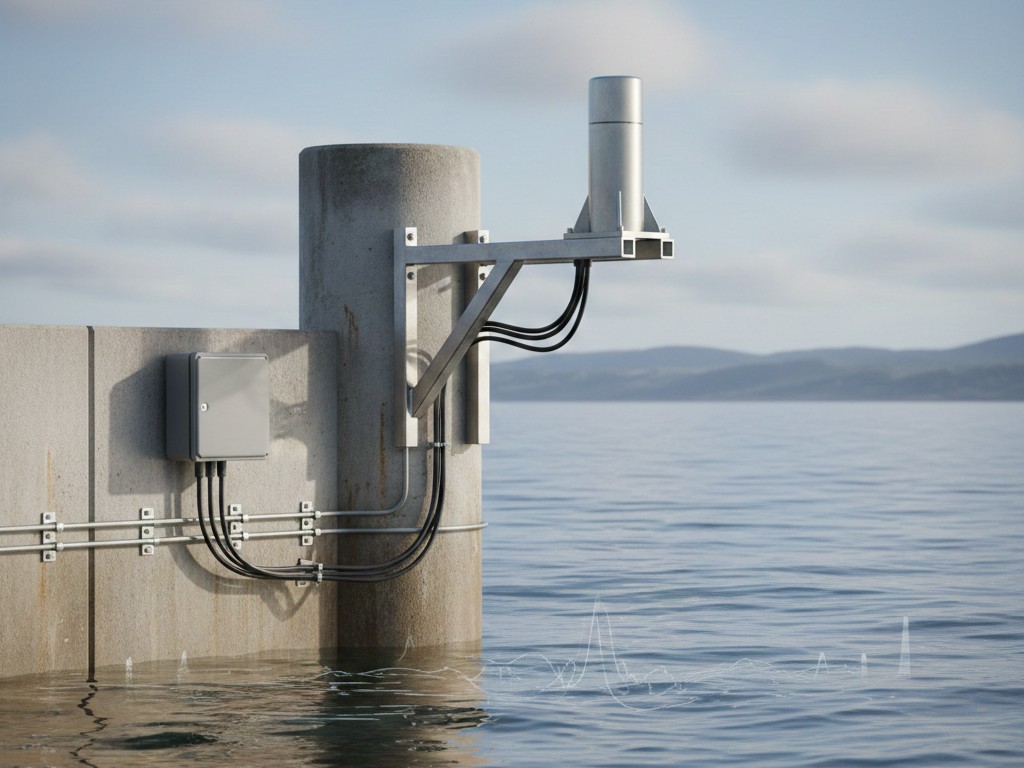
Drone Inspection

Why Tide Gauge Installation Is So Important

Tide gauges only work as well as the way they are set up. Having a professional place on the tide gauge makes sure that it stays safe and secure and gives accurate readings from the start. Installing things well helps:

  • Do not use the wrong survey results.
  • Shorten the time that unexpected tides cause delays.
  • Make marine jobs safer.
  • You can count on long-term tracking
  • Vessel operations help ships and equipment work well.
  • To sum up, careful building gives you the benefits you can trust.

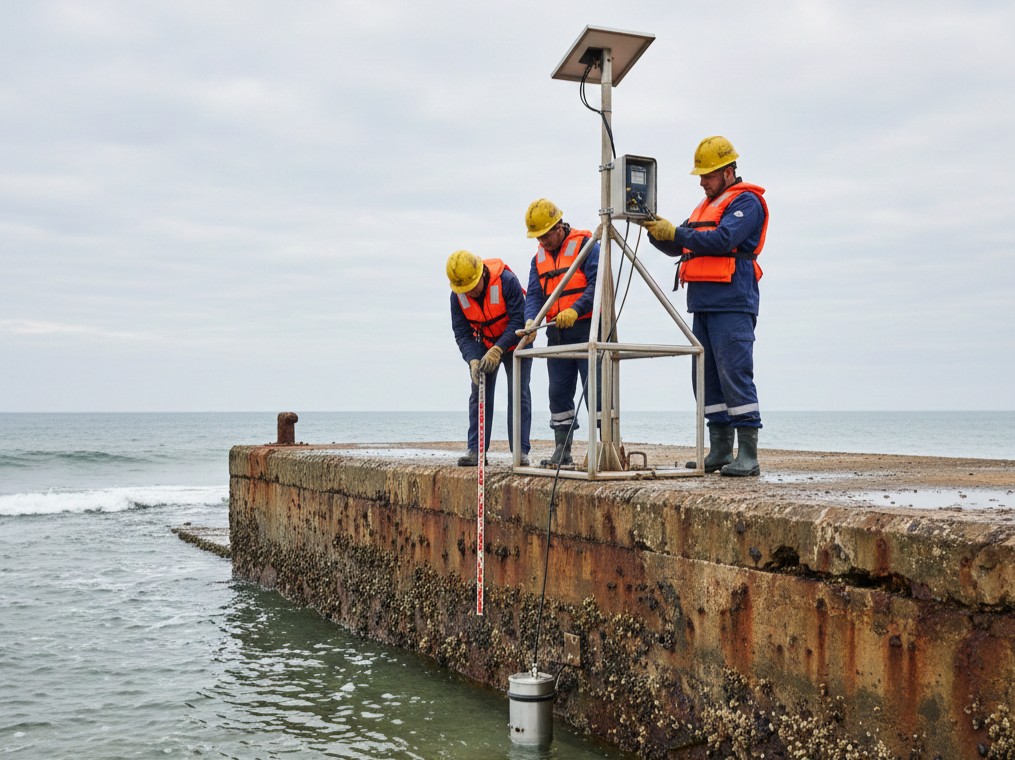
How We Install a Tide Gauge

We make it clear and easy to understand how to put in a tide gauge:

  • 1: Pick a Site We picked a spot where you can see the tide really moving and where big waves, trash, or ships won't hurt you.
  • 2. Choosing the tools The level of the water, the duration of the project, and the weather all play a role in choosing the right pressure or radar-based tide gauge. matters.
  • 3. In safety installation It's connected to a strong framework, like a pier, pile, or stilling well, so the tide gauge doesn't move or get broken.
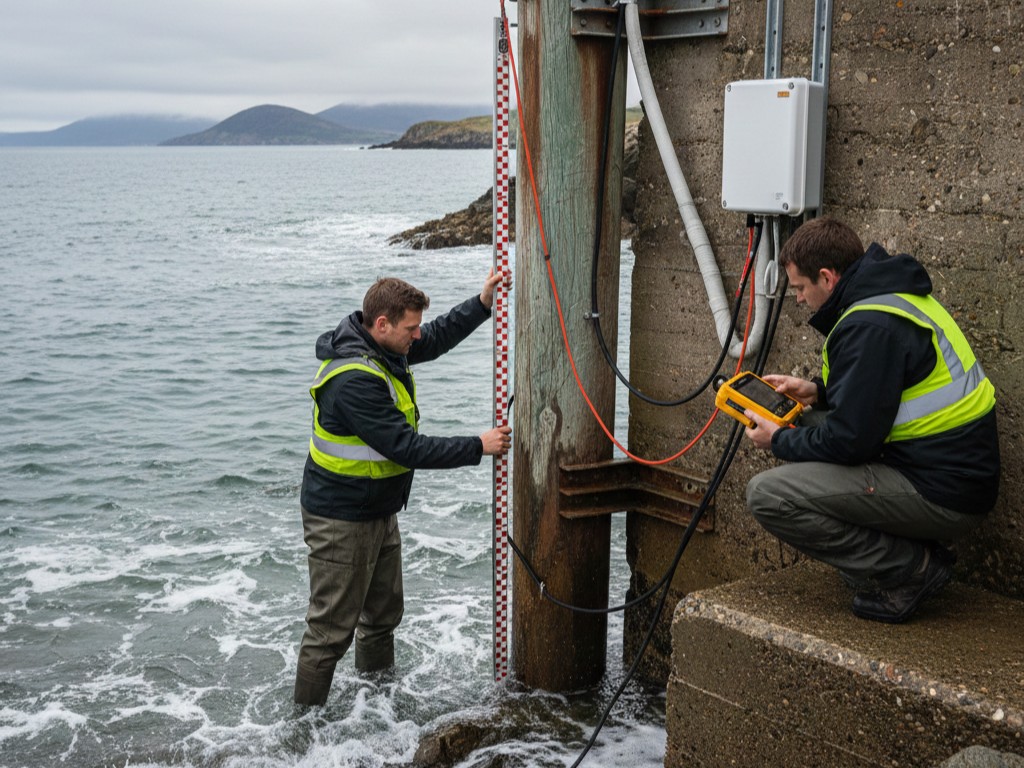
  • 4. Tests and setting up The system is compared to known amounts of water to make sure it works correctly before it starts to track.
  • 5. Checking the waves all the time The tide gauge keeps track of the water level and saves or sends the data, so it is easy to find once it is turned on.

Quality and Control - How We Keep Data Reliable

The way we keep an eye on the waves is based on quality and accuracy. To make sure the info you get is accurate and useful, we have strict quality and control measures in place. Parts of our quality control process are:

  • Careful checking of the tools before setting them up
  • Using correct references to known tide levels
  • Initial and regular checks for calibration
  • Regularly looking over the data to find mistakes or gaps
  • Safely handle info and documents

During the monitoring time, these checks make sure that the tide data is always accurate and consistent.
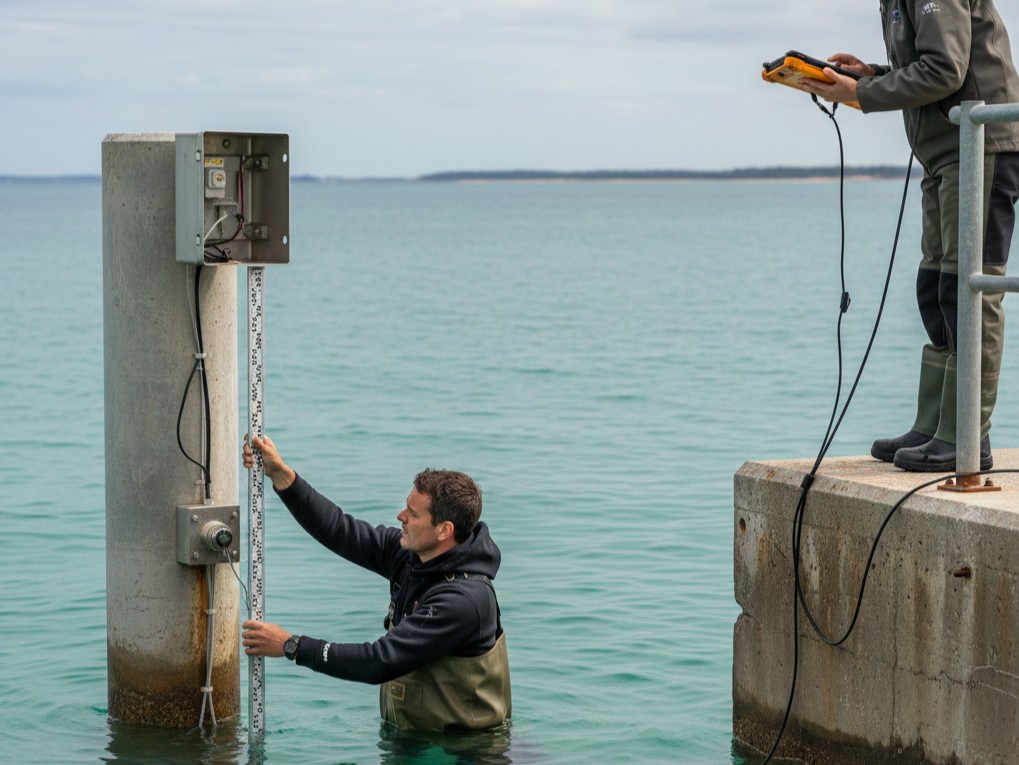
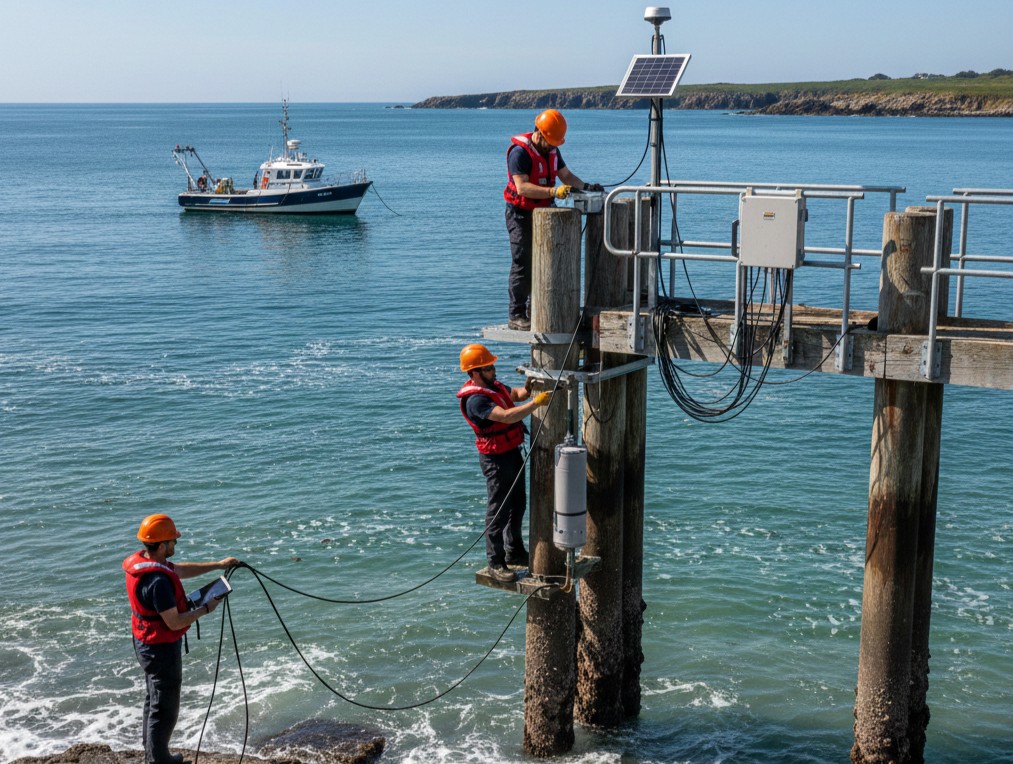
Best Tide Gauge Installation Practices We Follow

To get accurate data, we follow the best ways to install tide gauges, which include

  • Installing on buildings that are stable and won't move
  • Keeping things safe from rust and marine growth
  • Making sure that reference values are clearly documented
  • Carrying out regular checks and repairs

By doing things this way, the tide gauge can work reliably even in rough seas.

Where Tide Monitoring Is Commonly Used

Monitoring the tide and putting up tide gauges are often done for:

  • Water level and bathymetric studies
  • Dredging and land restoration jobs
  • Improvements to ports and harbours
  • Building on the coast and the ocean
  • Programs that watch the environment

What You Will Receive

The things we offer usually include:

Level of the tide info all the time
Visual aids that are simple to understand
Checked the details of the calibration and standard
A clear end report to keep track of the project

Frequently Asked Questions (FAQs)

For marine surveys, building projects, dredging work, and port operations, tide monitoring is used to keep track of changes in sea level.

It is different for every project. A few days are needed for some studies, and several months may be required for long-term monitoring.

Putting a tide gauge on a stable structure, keeping it safe from waves and other objects, and making sure it is calibrated correctly are the best ways to put one.

Tide monitoring data is very accurate and can be used in engineering and surveying when it is set up properly, and quality is checked.

Absolutely. When used correctly and in a safe place, tide gauges can work consistently in rough seas.

We give you MetOcean monitoring and ADCP survey data that is correct, reliable, and usable for your project.

In Simple Words

Placing up tide gauges and watching the waves teach you about the sea before it impacts your project. Tough setup, quality control, and reliable tracking make sure you get accurate tide details, which maintain your sea work safe and going smoothly.

Contact Us